A Look Back on the Last 25 Years of the Galaxy Explorers Program
A Look Back on the Last 25 Years of the Galaxy Explorers Program
By Lisa Hoover, Workforce Development Program Manager
Reflecting on Program Roots
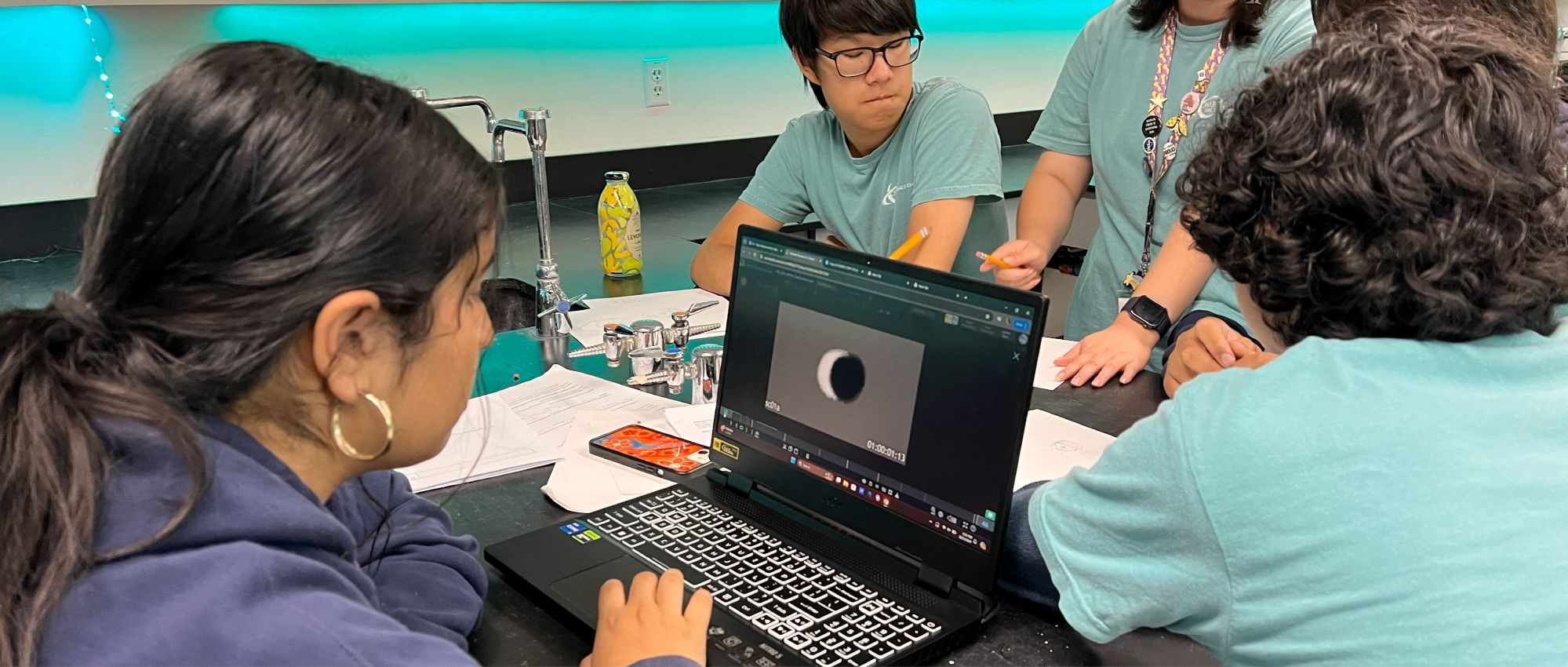
From the end of the dot.com era in 2000 to today’s rapidly evolving AI and space frontier, Galaxy Explorers has grown from the shuttle era into the age of planetary missions and private spaceflight. Since opening day, the program has helped young people develop not only as STEM communicators, but as confident, capable professionals with real world skills. I have witnessed the personal growth of countless Galaxy Explorers, and I could not be prouder of what they have accomplished within the program. Over the last twenty-five years, there have been too many moments to name, but a few projects remain etched in my memory.
One was SCEnaRioS (Science Centers Engagement and the Rio Summit) in 2011, where Galaxy Explorers collaborated with students from Canada and Denmark to explore global environmental issues using digital media. Another was the Black Holes Student Partnership, where Galaxy Explorers created multimedia content to support a Smithsonian’s exhibit on Black Holes. Meeting astronaut Dr. Mae Jemison, the first African American female in space in 2001 was yet another defining moment, not only for Galaxy Explorers but for me personally.
Galaxy Explorers have always blended science with creativity. Student produced science theater filled the amphitheater with performances like The Story of Orion, and The Weaver and the Cowherd and the STEPS Project Planet Hunter. Years later, we still come across handmade costumes lovingly created by parents, tangible reminders of how deeply families were woven into the experience.
Program Impact and Reach
The Galaxy Explorers also reached far beyond Oakland. Through the Digital Sky Student Partnership with the Hong Kong Space Museum in 2012, students shared sky stories, culture, and technology by co creating planetarium shows across continents. The Today’s Youth Tomorrow’s Educators neurology symposium in St Louis brought Galaxy Explorers into the world of neuroscience, and yes, the sheep brain remnants remain in the display cabinets of Lab 1.
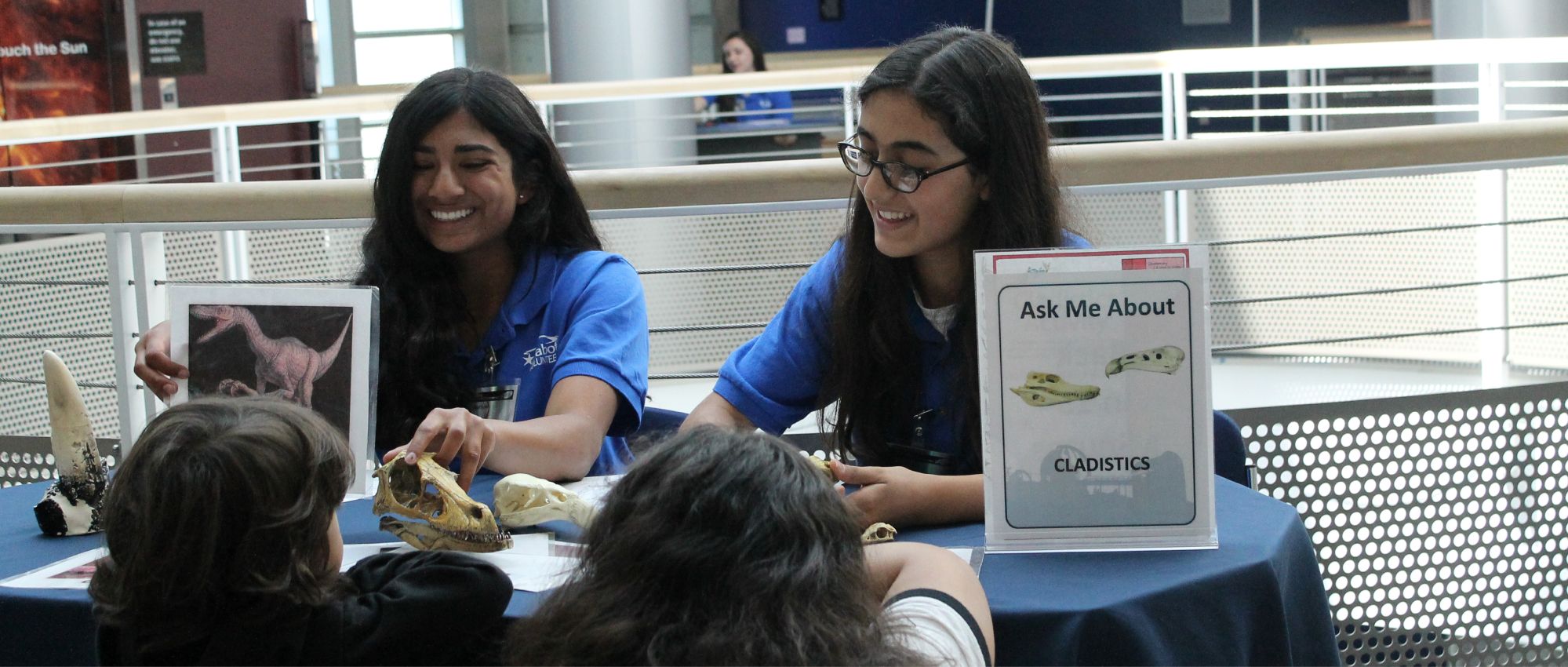
Chabot to Go took Galaxy Explorers on the road across the Bay Area, reaching more than ten thousand people a year. I don’t miss climbing in and out of the old Starlab planetarium every fifteen to thirty minutes. My knees remember it well, but I would not trade a single moment.
Gazing Upward
There were unforgettable astronomical events too, like the 2003 Mars close approach, when Galaxy Explorers stayed up all night, keeping massive lines of visitors engaged between naps in the exhibits. At countless events, they shared knowledge and wonder with our community.
Going Deeper
I will never forget how subject matter teams formed because Galaxy Explorers wanted deeper dives with like-minded peers who simply did not want to go home. These teams reduced attrition while creating meaningful connections, community, and ultimately careers for some.
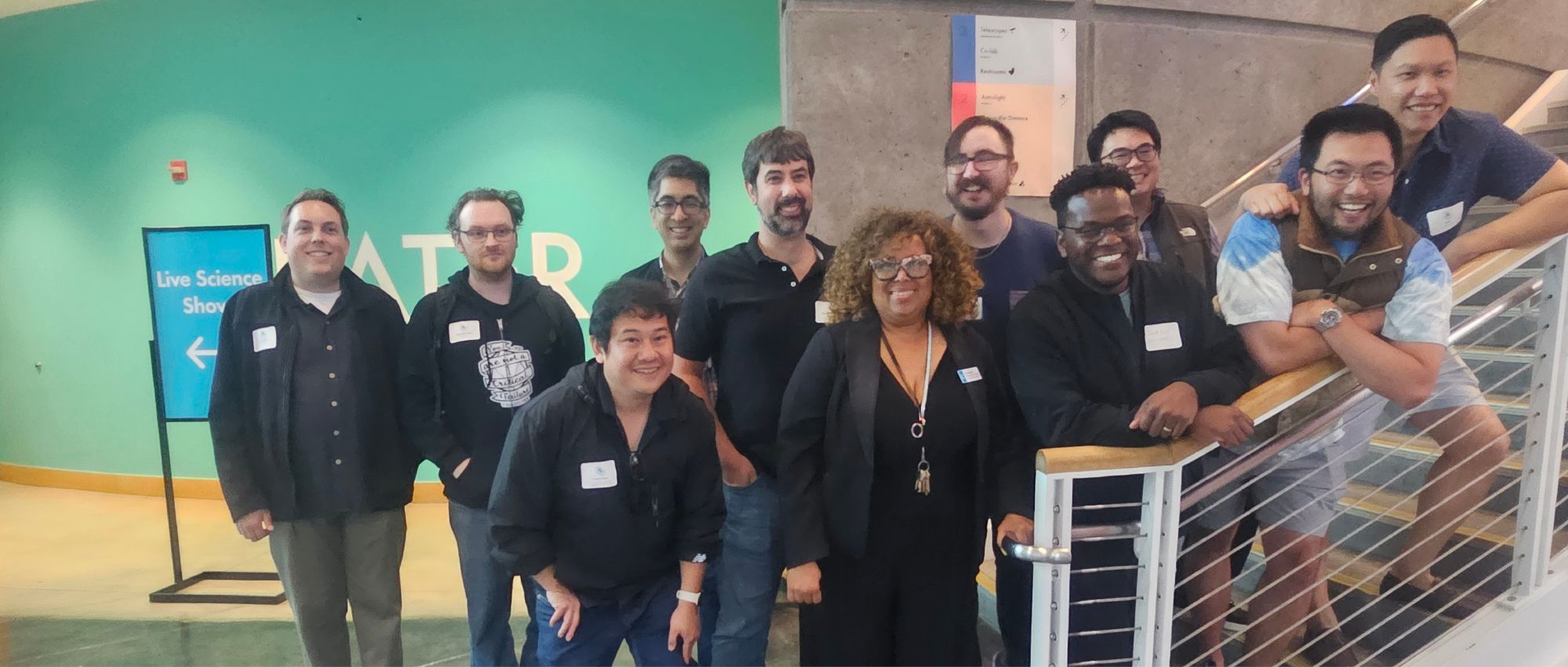
Above all, what I cherish most are the relationships and the growth I have witnessed as students became adults. With the launch of the Galaxy Explorers Alumni Network, former students now have new opportunities to give back while staying connected.
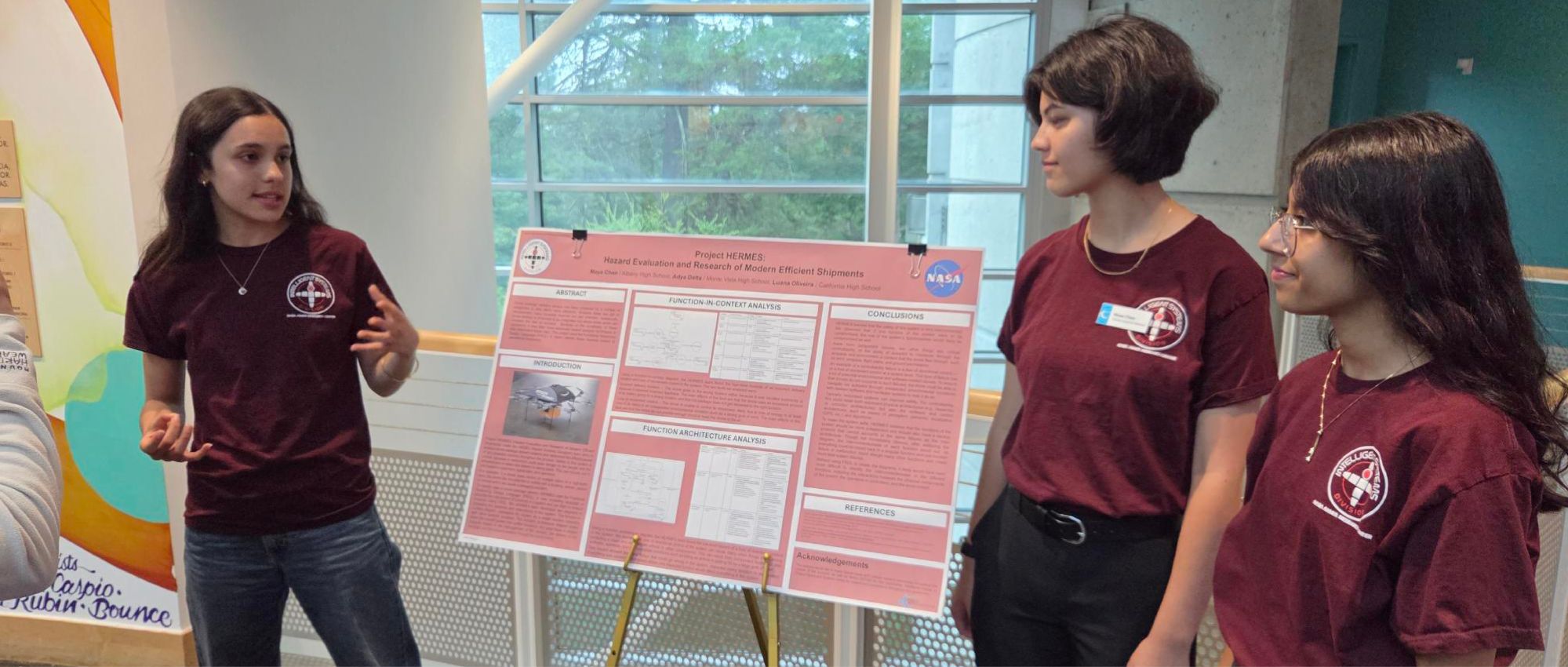
Now that Galaxy Explorers is part of the broader Oakland Space Academy, I am excited to see emerging partnerships that will open doors for students to apply their skills in real-world settings. These opportunities will strengthen career development, job readiness, and advanced learning, preparing them for the new space race shaped by AI.
The NextGen Fund: Supporting the Future of STEM
Chabot Space & Science Center is currently raising funds for the NextGen Fund. Contributions to this fund help us invest in all our educational programs and offerings:
- $25 covers the cost of a science demonstration for Galaxy Explorers to share with visitors of all ages
- $125 underwrites a membership for a local educator
- $525 brings an elementary or middle school class to Chabot on a field trip with an educational workshop
- $2500 funds the creation of an exhibit in the Rotating Community Gallery where we showcase local partners and creators
As we continue to mark Chabot’s 25th anniversary on Skyline, we invite YOU to be a part of what comes next. A contribution to the NextGen Fund – in whatever amount feels right for you – helps ensure that moments of discovery, wonder, and curiosity can continue for the next 25 years!