

Where Stars Are Made
Where Stars Are Made
By Cameron Schneider
The stars in our sky are some of the greatest things humans have in common. No matter where we are in the world, the stars are always right above our heads. Every day stars are born and, like humans, have their own cycles of life.
The Rise and Fall of Stars
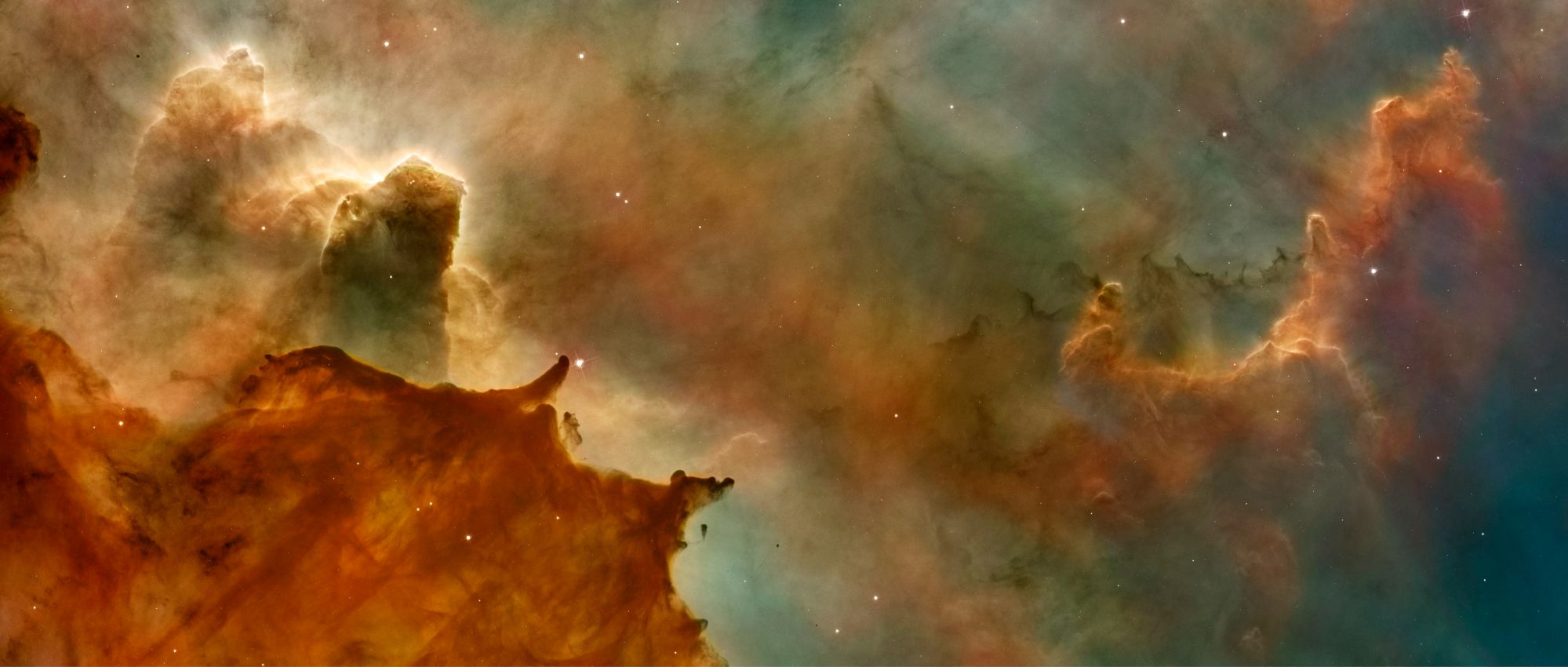
Stars are formed in nebulae, which are large molecular clouds of gas and dust. Star-forming nebulae, sometimes known as stellar nurseries, contain all the necessary building blocks for the birth of a star.
“Stellar nursery” nebulae contain hydrogen and helium – the most prominent gases present in a star’s creation. In a nebula’s cold temperature, gases clump together and create high-density areas. Over time, the areas collect more matter, adding to their masses and strengthening their gravitational force. The friction created from the gravitational collapse of these high-density regions causes the material to heat up and eventually, a star is born!
Whereas some nebulae are the birthplace of stars, other nebulae are formed in the wake of a star’s death. When a star dies, several things can occur. What determines these conclusions is the mass of the star.
When a low-mass star dies, the outer layers it sheds creates an expanding cosmic cloud of gas and dust, forming a planetary nebula. Whereas when a high-mass star dies, a massive explosion known as a supernova occurs. In the aftermath of a supernova, the remaining material will eventually become the necessary components in a nebulae for future stars.
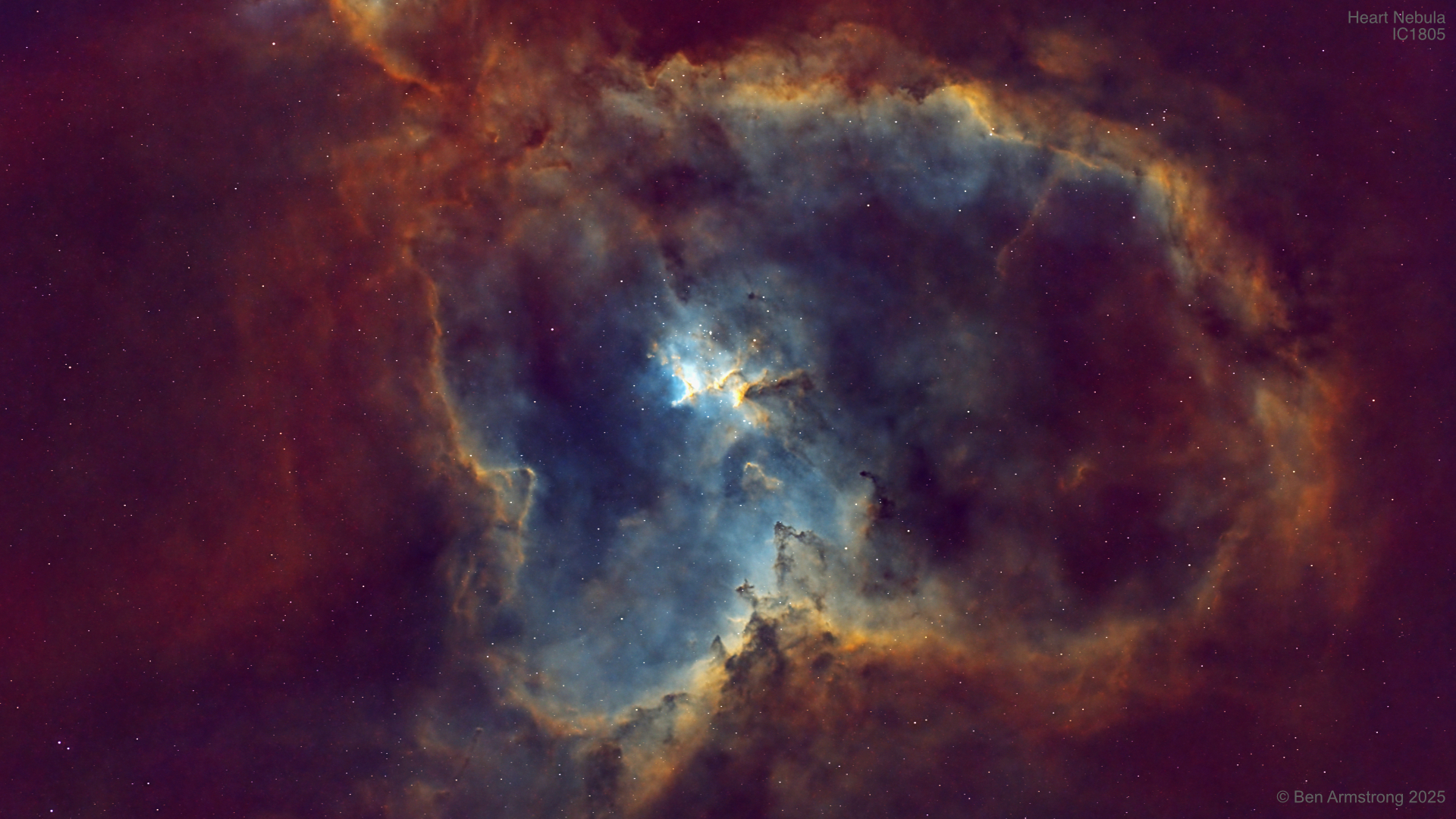
Heart Nebula by Ben Armstrong
A Nebulae Near You
Although not every nebula is visible from Earth, there are some that are. In the Northern Hemisphere at this time of year, the infamous Orion Nebula (Messier 42) is visible to the naked eye (with the right conditions). With a telescope, visibility is even stronger. At just 1,500 light-years away, the Orion Nebula is the closest stellar nursery to Earth, offering an incredible opportunity for those with a telescope to observe the birth of stars.
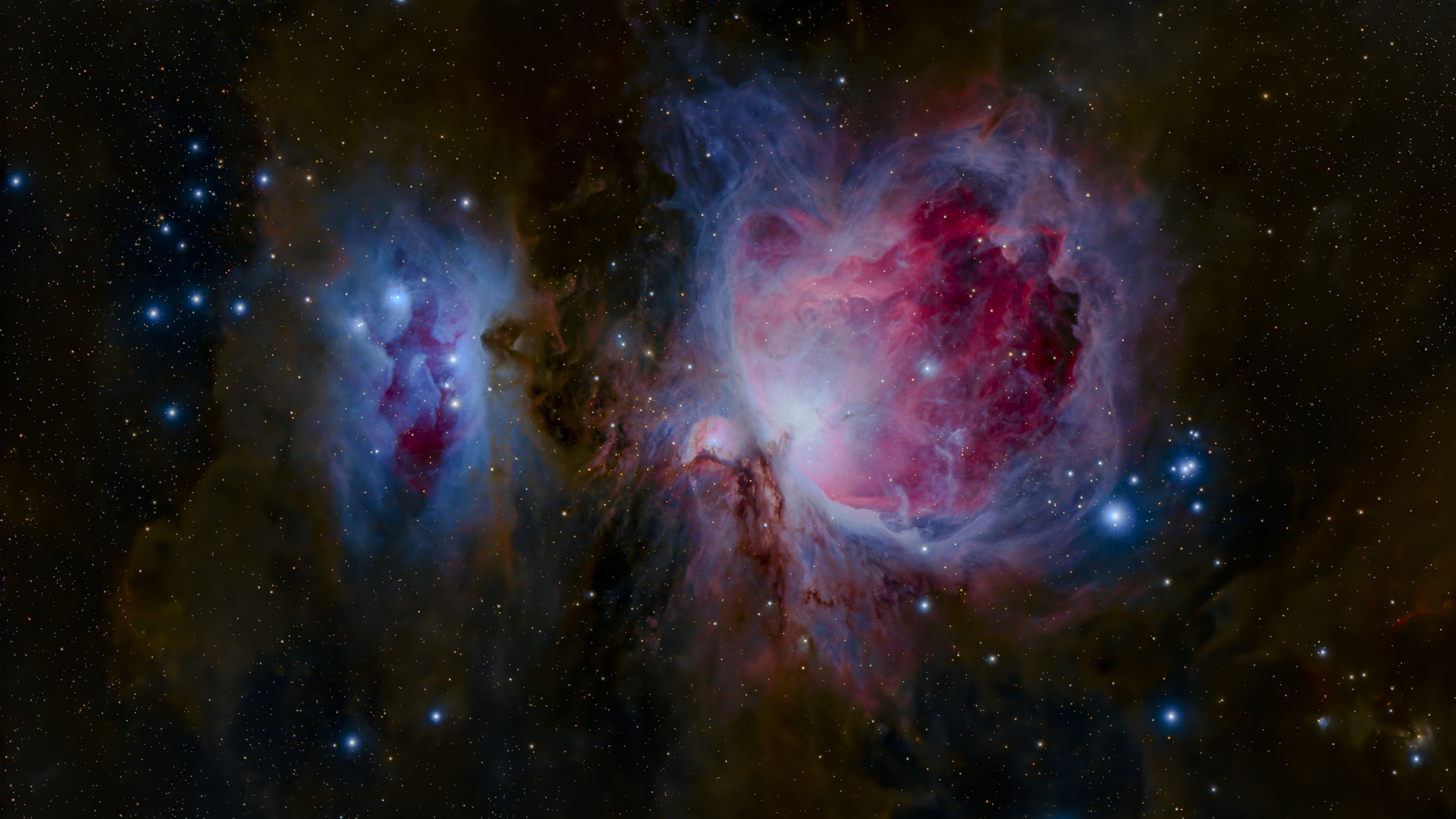
Orion Nebula by Kartik Venkataraman
 The Stars Are Closer Than You Think!
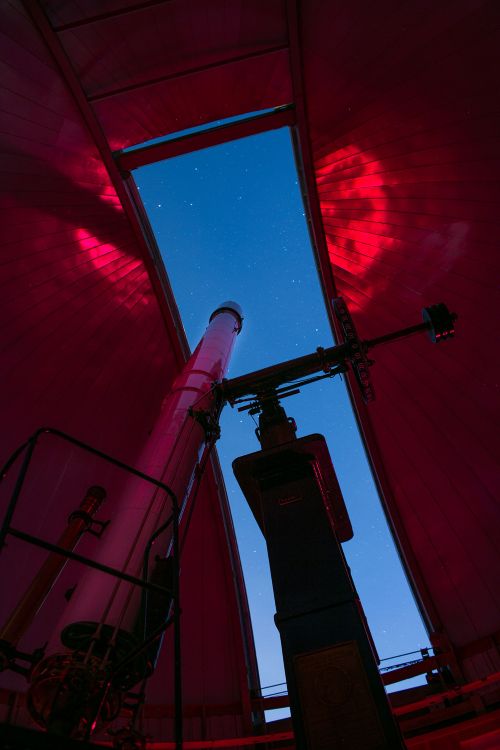
Chabot Space & Science Center offers free public telescope viewings every Friday and Saturday from 7:30 PM-10:30 PM, weather permitting. During these viewings, guests learn about our historic telescopes and gaze up at the stars in the sky.
For those who want an even closer look at the cosmos, Chabot is hosting a series of intimate Astrophotography workshops where attendees will learn how to operate telescope rigs and create their own, polished, night sky photography. For an out-of-this-world experience, join Chabot’s next Astrophotography class on January 29th.
You can find more information about these programs and more on our Programs Calendar.


